Everything you want to know about Pressure Canning
Everything you want to know about Pressure Canning

Pressure Canning Portugal
Imagine having a pantry full of fresh-tasting vegetables, hearty soups, and home-cooked meals that last for months—without worrying about refrigeration. Pressure canning makes it possible! By using heat and steam under pressure, you can safely preserve low-acid foods, keeping them delicious and ready whenever you need.
Even if you’ve never tried it before, pressure canning is easier and safer than you might think—and it could be the key to having a pantry full of wholesome, home-prepared meals you’ll actually use and enjoy.
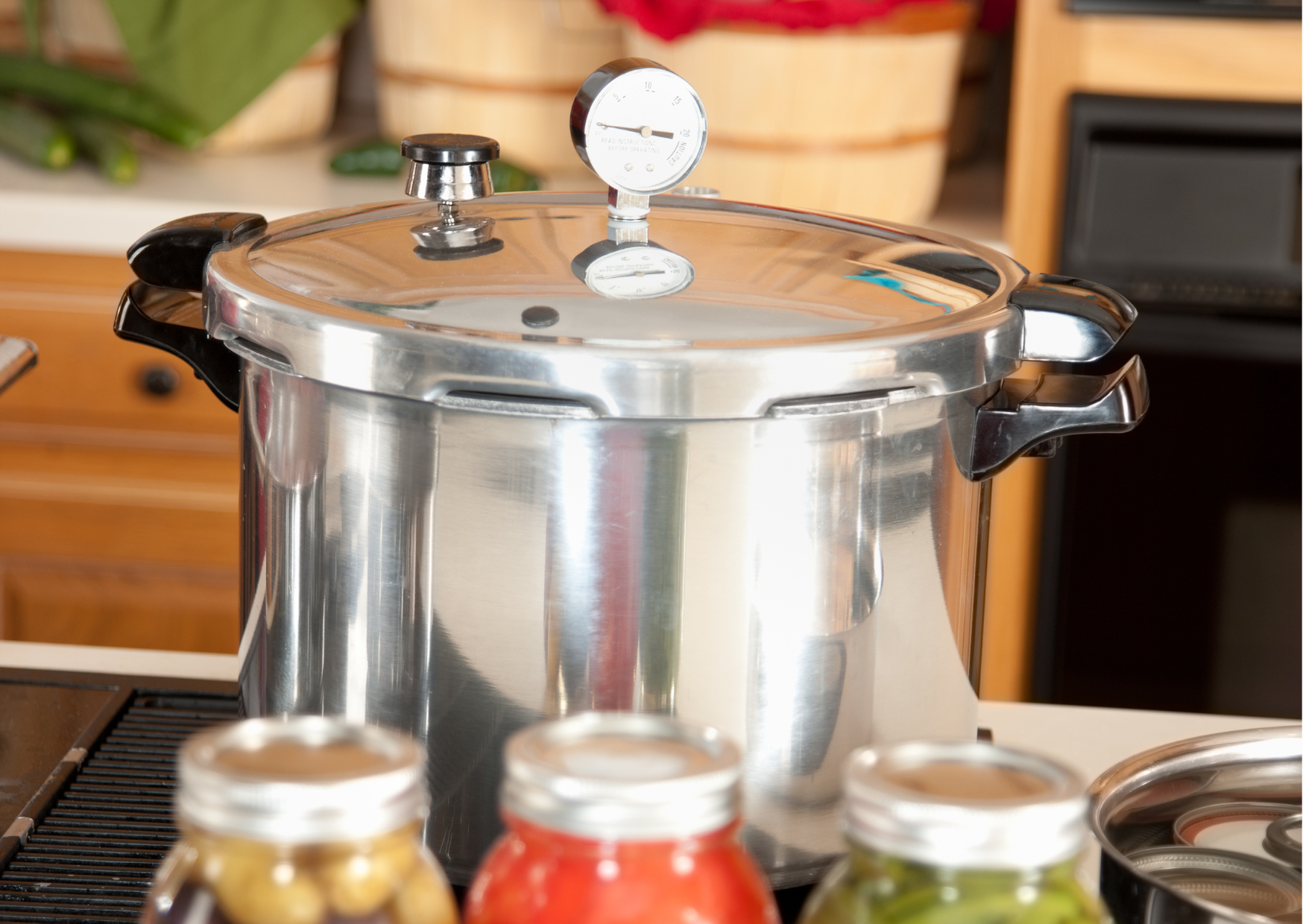
How to start with Pressure Canning in a safe way…
Equipment
“Having the right canning equipment makes the process smoother, safer, and far more enjoyable from the start.”
Safety Basics
“Following basic canning safety guidelines helps protect both your food and the people you share it with.”
Start Canning
“Canning doesn’t have to be intimidating—start small, learn the basics, and enjoy the satisfaction of preserving food you love.”
Troubleshooting
“Mistakes happen, and troubleshooting turns canning challenges into learning moments.”
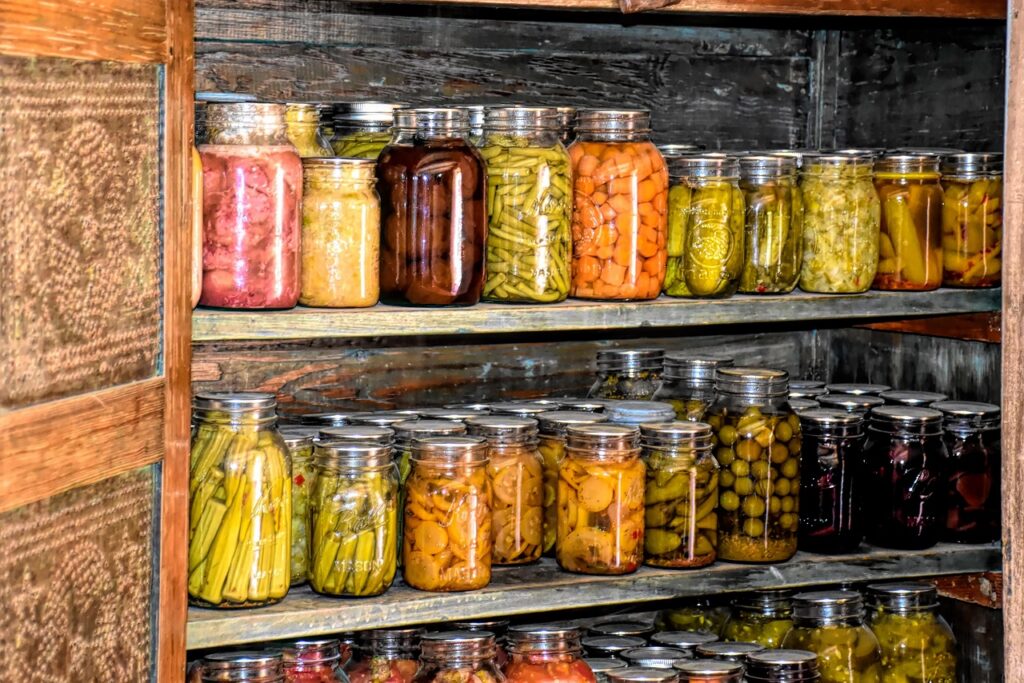
Create your own pantry with safe pressure canned food
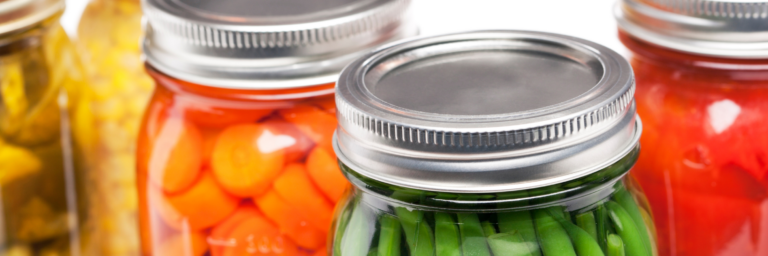
Pressure canning makes it possible to create a beautiful, well-stocked pantry filled with safe, shelf-stable foods—no refrigerator required. By using the correct pressure and processing times, low-acid foods like vegetables, beans, meats, and complete meals can be preserved safely for long periods.
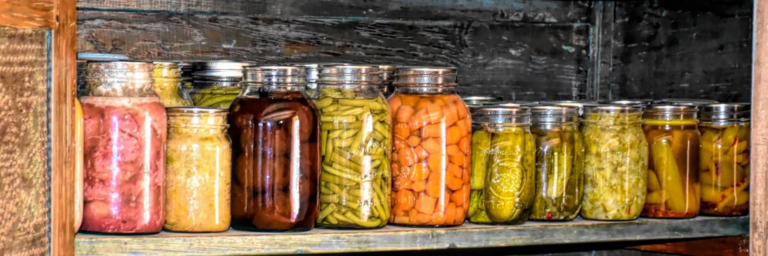
The result is more than just convenience: neatly labeled jars lined up on the shelf turn your pantry into a practical and visually satisfying space, where homemade food is always ready to use.
How a Pressure Canner Builds Pressure
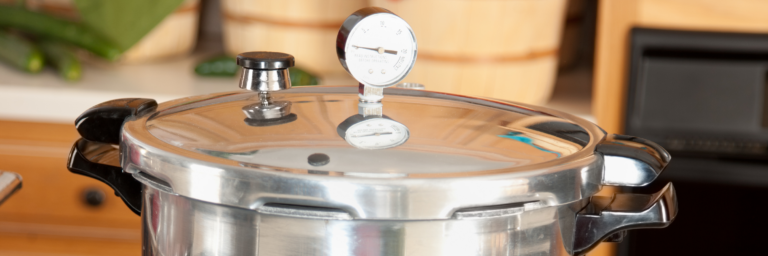
A pressure canner reaches 116°C by heating water in a specially designed pan with a secure, locking lid. The lid traps steam inside, allowing pressure to build and safely raise the temperature needed to preserve low-acid foods.
Because the steam cannot escape, pressure increases to about 10–15 pounds per square inch (psi) above atmospheric pressure . At this pressure level, the boiling point of water rises from 100°C to approximately 116°C, allowing the canner to safely process low-acid foods.
Clostridium Botulinum
Clostridium botulinum can only be destroyed at temperatures above 116 °C, which boiling water cannot reach. Since water boils at 100 °C, boiling alone is insufficient to kill the bacteria; it protects itself by forming heat-resistant spores that can survive these temperatures.
This is why using a pressure canner, which can reach the higher temperatures needed, is essential for safely preserving low-acid foods at home.