Everything you want to know about Pressure Canning
Dont’s: When it comes to Pressure Canning
Pressure canning, or preserving food under high pressure, is a fantastic way to preserve your harvest or groceries for longer. However, it’s not an activity where you can just “try things out.” There are some crucial mistakes you absolutely must avoid. Here are the most important absolute don’ts of pressure canning.
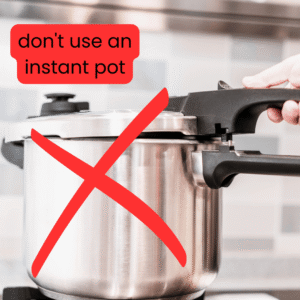
1. Don’t: Use a pressure cooker!
Pressure cookers are NOT suitable for pressure canning. A pressure cooker can be extremely dangerous because it cannot maintain the correct pressure. Invest in an approved pressure canner and follow the instructions carefully.
2. Don’t: Fill the pots incorrectly
Overfilling or underfilling can have disastrous consequences. Overfilling can lead to overflow and insufficient sterilization, while underfilling can result in excess air and bacterial growth. Always follow the recommended filling levels in recipes and guidelines.
3. Don’t: Use old or damaged jars and lids
Glass can crack under extreme pressure, and a lid that doesn’t close properly can prevent your food from being safely preserved. Always check your jars for cracks and your lids for tightness before you start.
4. Don’t: Change recipes or times without reason
The times and pressures in canning recipes are precisely adjusted to the type of food, jar size, and altitude. Don’t experiment with this, as a few minutes too short can allow bacteria like Clostridium botulinum to survive – a health hazard.
5. Don’t: Release the pressure too quickly
After boiling, it’s tempting to open the valve quickly. This can cause liquid to squirt upward and crack your jars. Always release the pressure gradually, following the instructions on your pressure canner.
6. Don’t: Keep food that looks questionable
Even if you’ve done everything according to the instructions, always check for signs of spoilage: strange odors, mold, or cracked jars. Discard any questionable food immediately. Botulism is serious and can be fatal.
7. Don’t: Use too much filling of solid ingredients without enough liquid
Pressure canning uses steam, and too little liquid can lead to uneven heating and unsafe food. Be sure to follow your recipes precisely regarding the ratio of solids to liquid.
Conclusion
Pressure canning is a great way to preserve homemade treats for a long time, but it’s important to prioritize safety. Always use the right equipment, follow recipes carefully, and don’t take risks with outdated jars or unsafe food. With the right approach, you can enjoy your homemade preserves for years to come without worry.